Decorative mouldings
Cornices, ceiling roses and ornaments that give a room or a facade its character.
What are decorative mouldings?
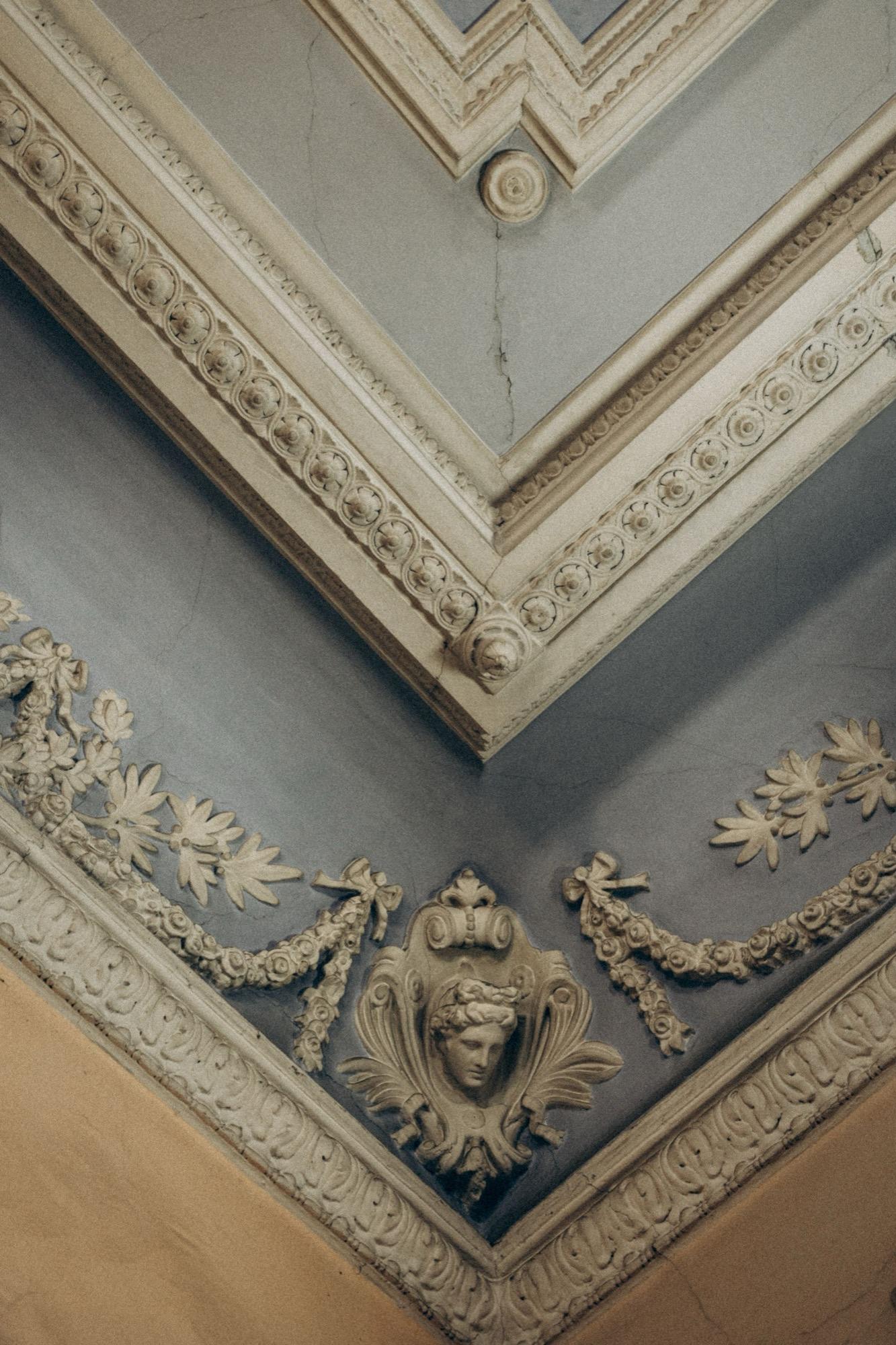
Decorative mouldings are ornamental elements, such as cornices, ceiling roses, skirting or surrounds, that give character to a room or a facade. They can be made of plaster, stucco, polyurethane or polystyrene, are fixed to the surface and are finished with filler and paint. The choice depends on the style, the size of the space and where they are fitted.
The detail that gives your room its style
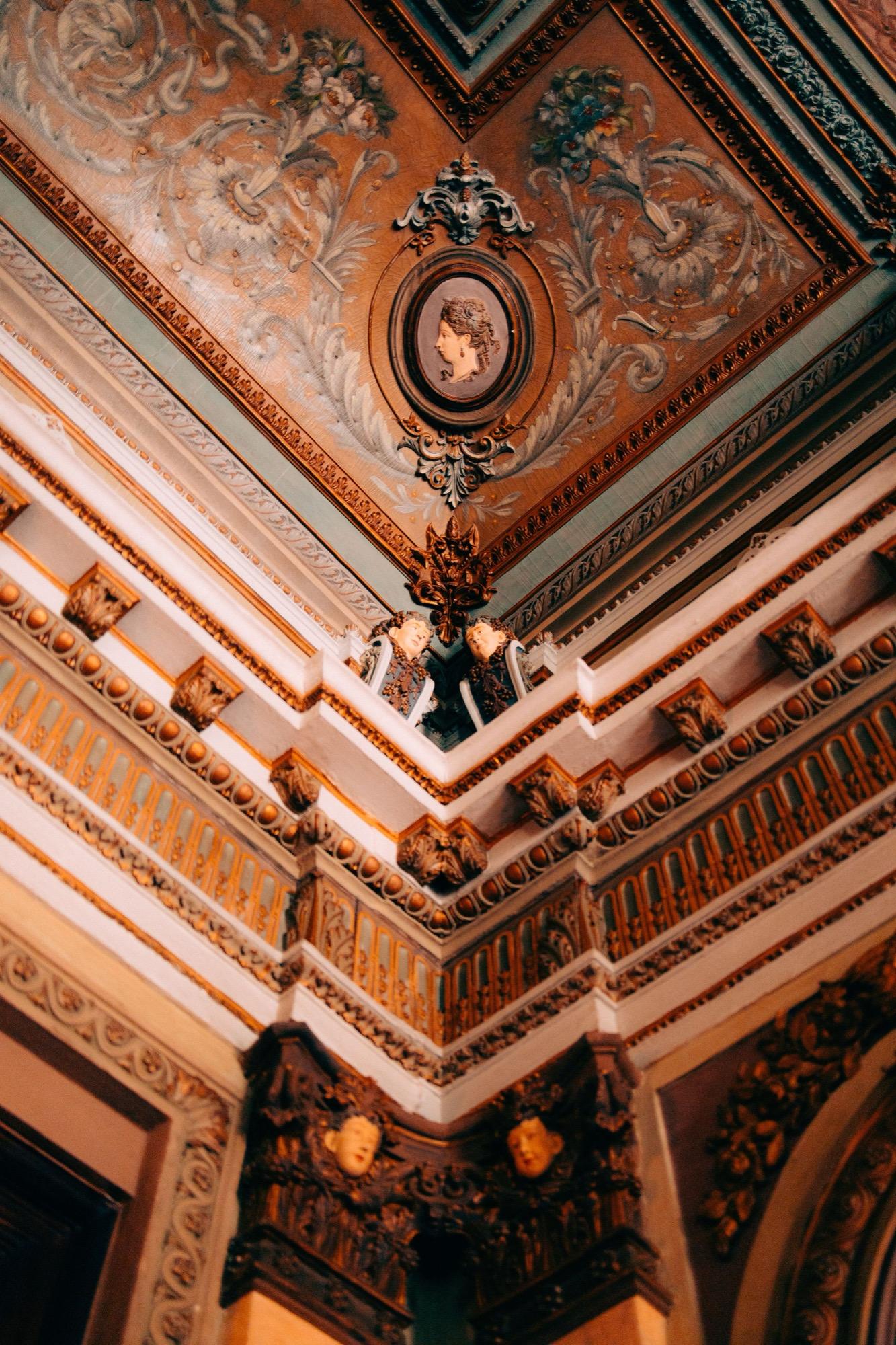
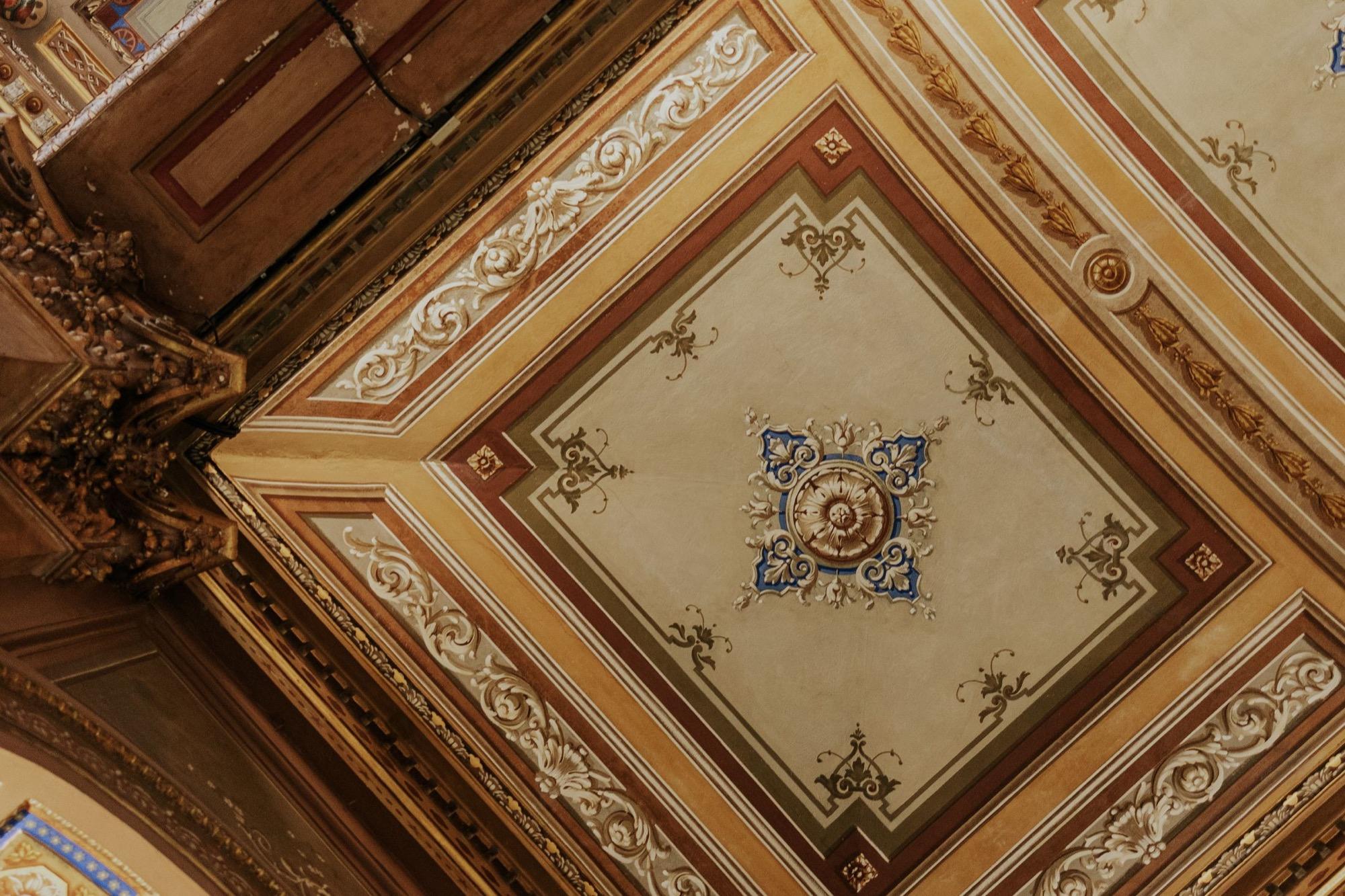
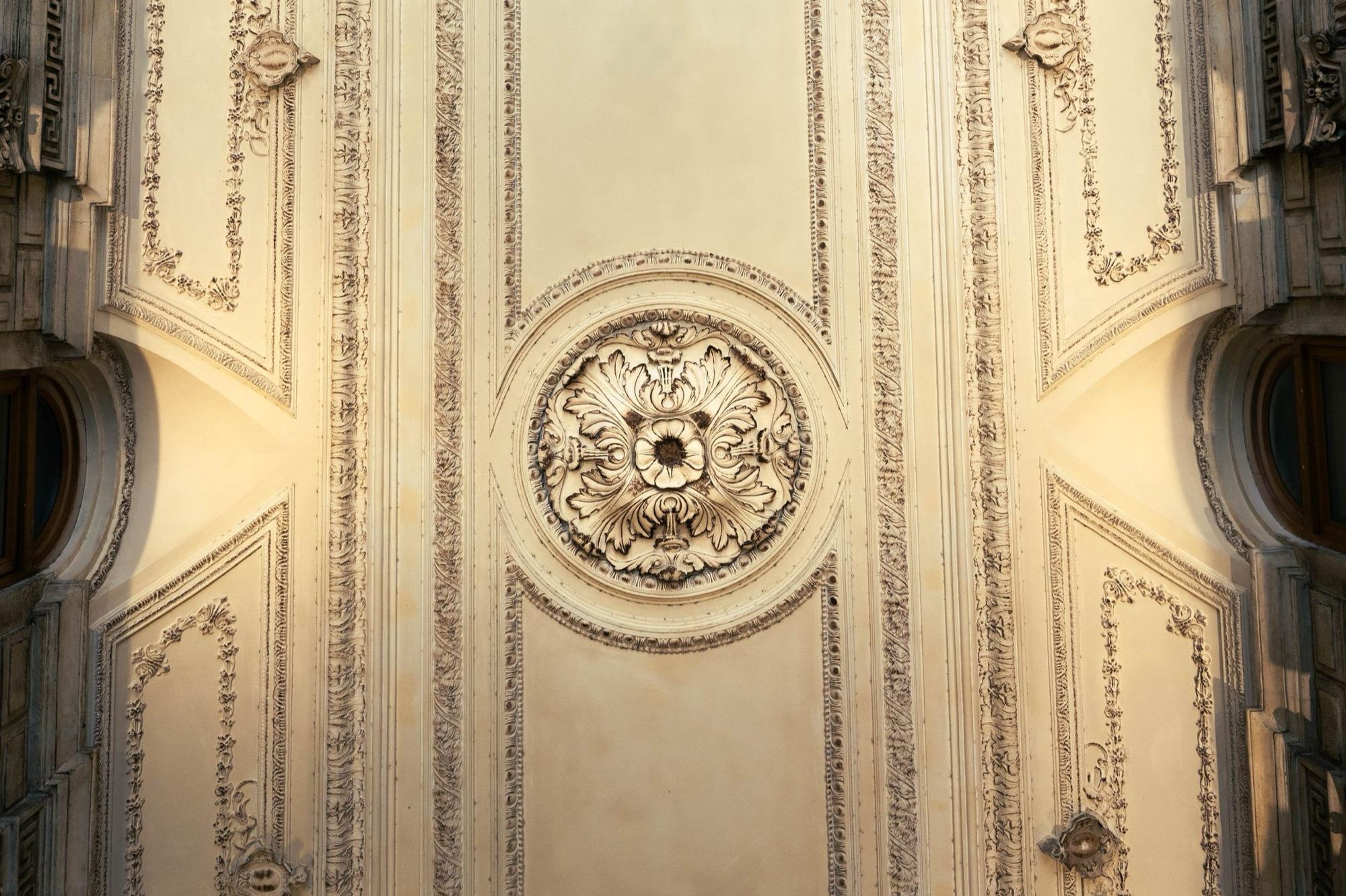
A cornice or a ceiling rose does not change the structure of a room, but it changes the way you see it. The fine line between wall and ceiling, the centre of a ceiling, the frame around a door are the details that give a room elegance and make it feel thought through to the end.
We help you choose the moulding that suits the style of the building and the proportions of the room, in plaster, stucco or lighter materials. We start from what you want and from the space you have, so that the ornament sits naturally rather than looking added on. The team’s plasterwork craftsmen work by hand, with attention to every detail.
Fitting is what makes the difference between a beautiful ornament and one that looks cast in a single piece. We match the joints at the corners, hide the seams and finish the surface, so that the moulding becomes one with the room, as if it had always been there.
Where decorative mouldings help you
We choose the moulding by the style of the building, the proportions of the room and where it is fitted.
Cornices and skirting
Elements that frame the line between wall and ceiling or between wall and floor.
Ceiling roses
Ornaments placed in the centre of the ceiling or around a light fitting.
Surrounds and decorative pilasters
Frames for doors, windows, niches or walls, with an ornamental role.
Interiors and facades
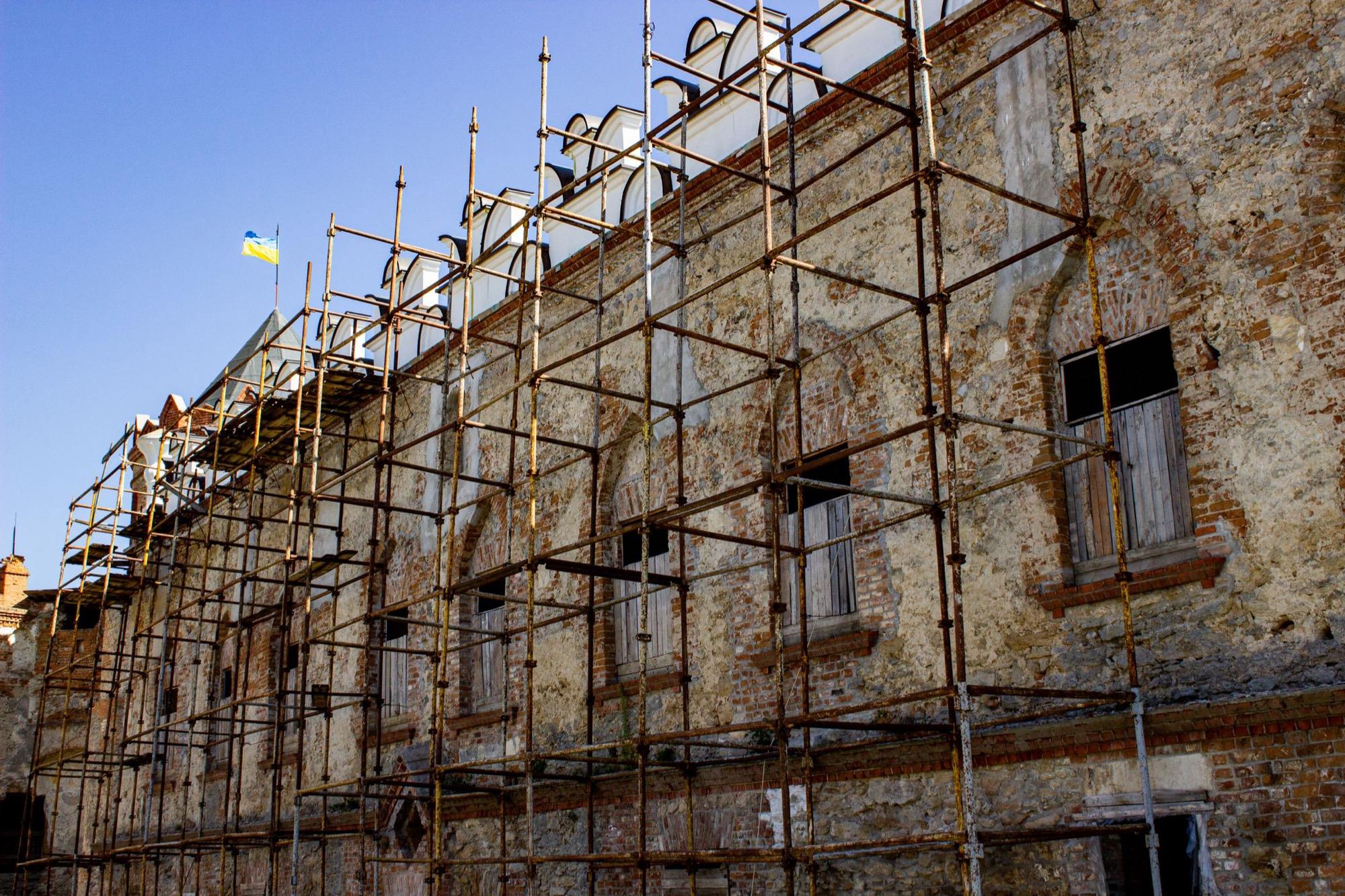
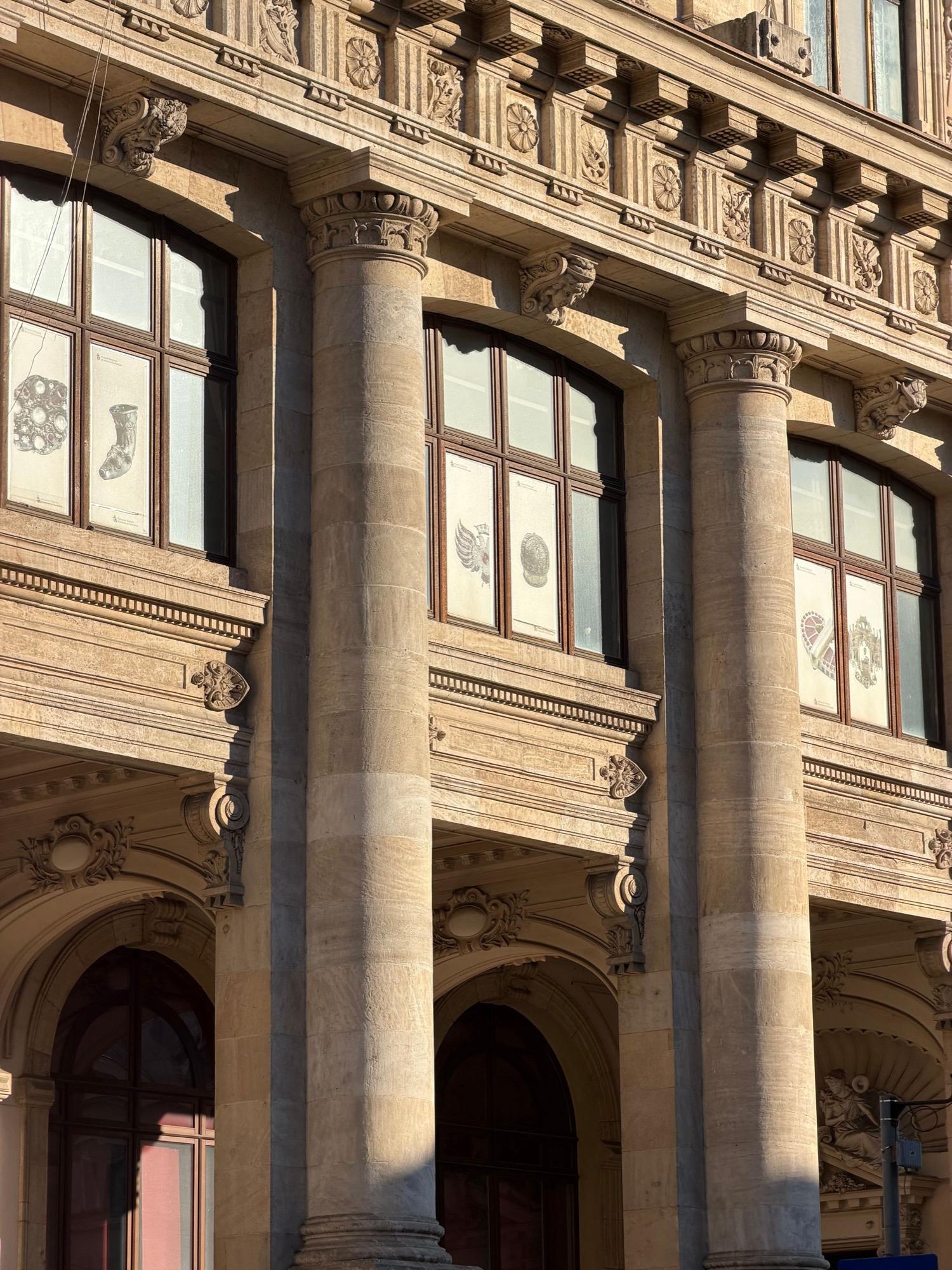
Ornaments in casting plaster for interiors and cast stone pieces for exteriors, including replicas of original elements.
What you gain with decorative mouldings
Character and style
A well-chosen ornamental detail gives personality to a room or a facade.
Better-balanced proportions
Cornices and skirting underline the lines of a room and bring out its height and shape.
Hidden joints
A cornice covers the joint between wall and ceiling, and a surround finishes the edge of an opening.
In keeping with the building
Mouldings are chosen in shapes and sizes close to those of the building or its period.
The materials and techniques we work with
We choose them by the location and the effect you want.
- For interiors
Ornaments and stucco work in casting plaster, suited to fine finishes and complex architectural details
- For exteriors
Pieces made of marble dust and white cement (cast stone), resistant to freeze-thaw, moisture and weather
- Polyurethane and polystyrene
Lightweight mouldings, easy to fit
- Fixing and finish
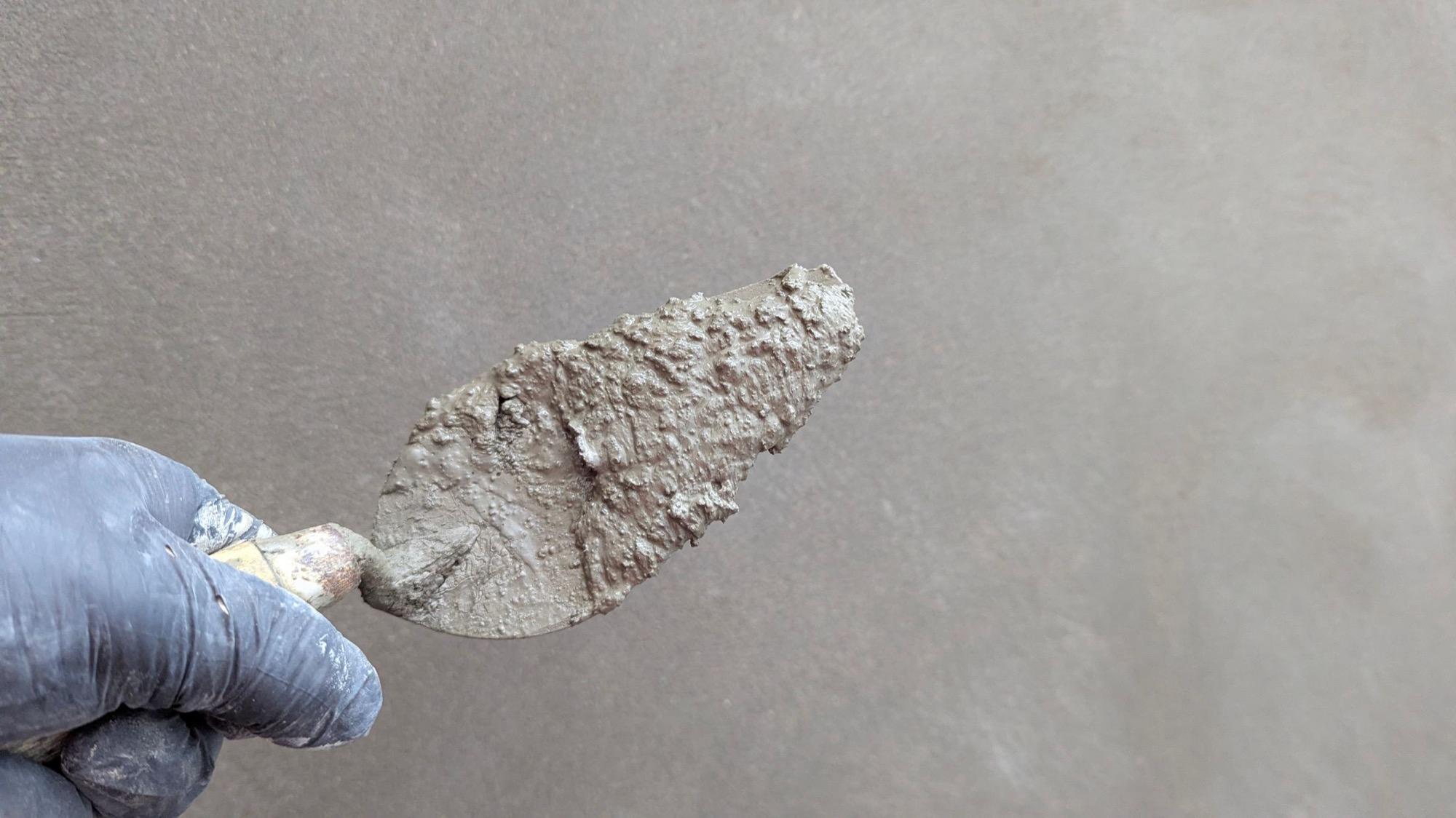
Adhesives and fillers for the joints, then primer and paint, depending on the material
How we work, step by step
Choosing and measuring
Together with you, we choose the moulding that suits the style and the space and measure the surfaces where it will be fitted.
Surface preparation
We clean and smooth the walls and ceilings, so that the moulding bonds well.
Cutting and fitting
We cut the mouldings to size and match the corners before fixing.
Fixing and filling
We fix the mouldings, then fill and smooth the joints and seams.
Finishing and handover
We prime and paint the mouldings, check the work and hand it over to you.
Frequently asked questions
Do you have another question about your work?
Write to usA cornice is fitted where the wall meets the ceiling, and skirting where the wall meets the floor. Both cover the joint and visually frame the room.
Usually plaster, stucco, polyurethane or polystyrene. Plaster and stucco allow fine detail, while polyurethane and polystyrene are lighter and easier to fit. For interiors we use casting plaster, and for exteriors cast stone made of marble dust and white cement.
Yes, most are painted after fitting. The product states which primer and paint suit the material.
You can use the calculator on the site for an indicative estimate of the mouldings, with or without fitting. The firm offer is set once we know the dimensions and complexity of the job.


Do you have a particular style in mind?
Describe the space and the mouldings you would like briefly, and we will come back to you with the right solution.