Architectural mouldings
Bands, window sills and surrounds that bring out the lines of a facade and help keep water away from the wall.
What are architectural mouldings?
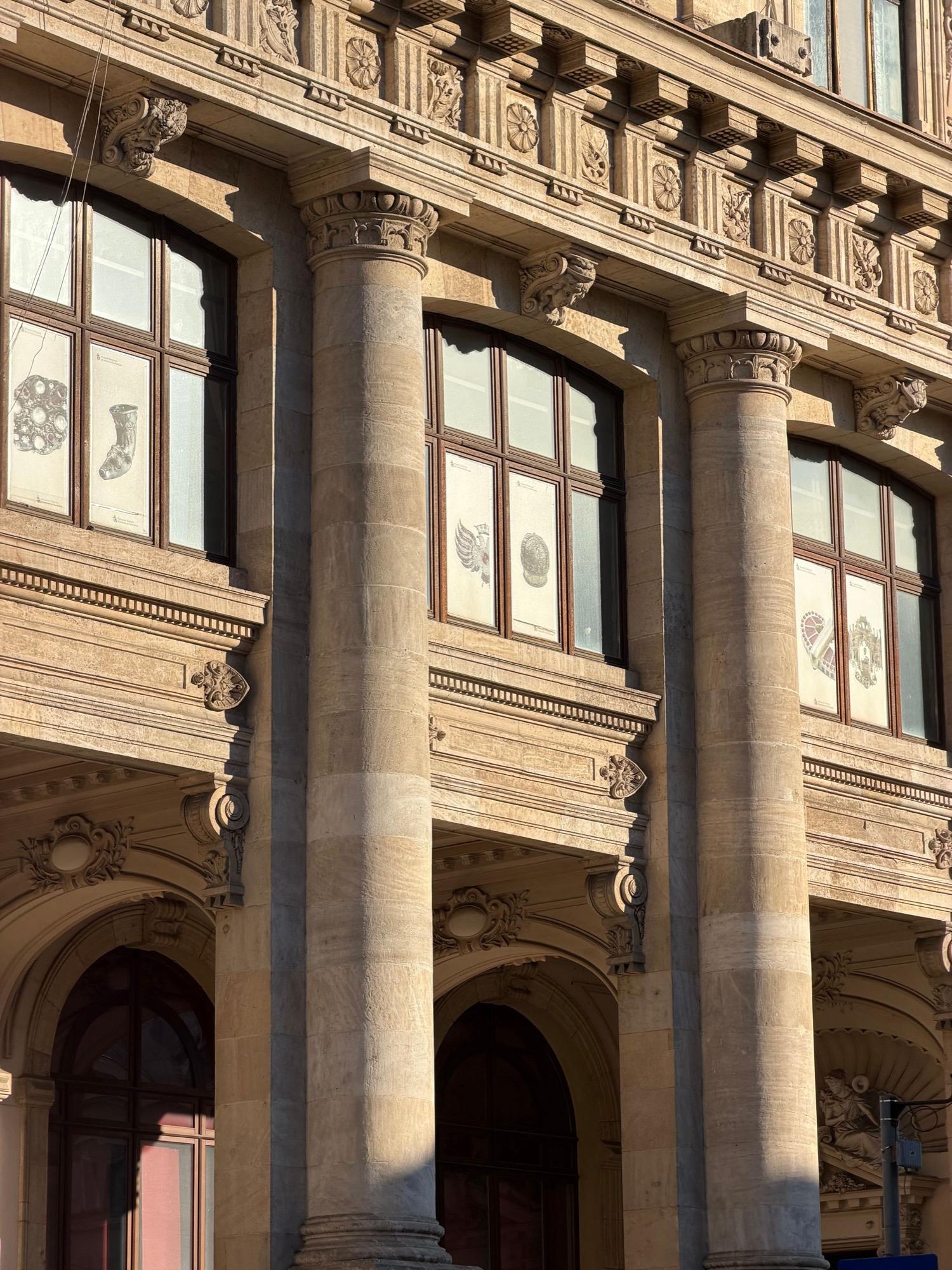
Architectural mouldings are the relief elements that outline the lines of a facade: string courses, window sills, window surrounds, crowning cornices and other details. They give a building rhythm and proportion, and some, such as sills and cornices, carry water away from the wall. They are made of materials that withstand outdoor conditions and are fixed or run in place directly on the facade.
The lines that give your facade its proportion
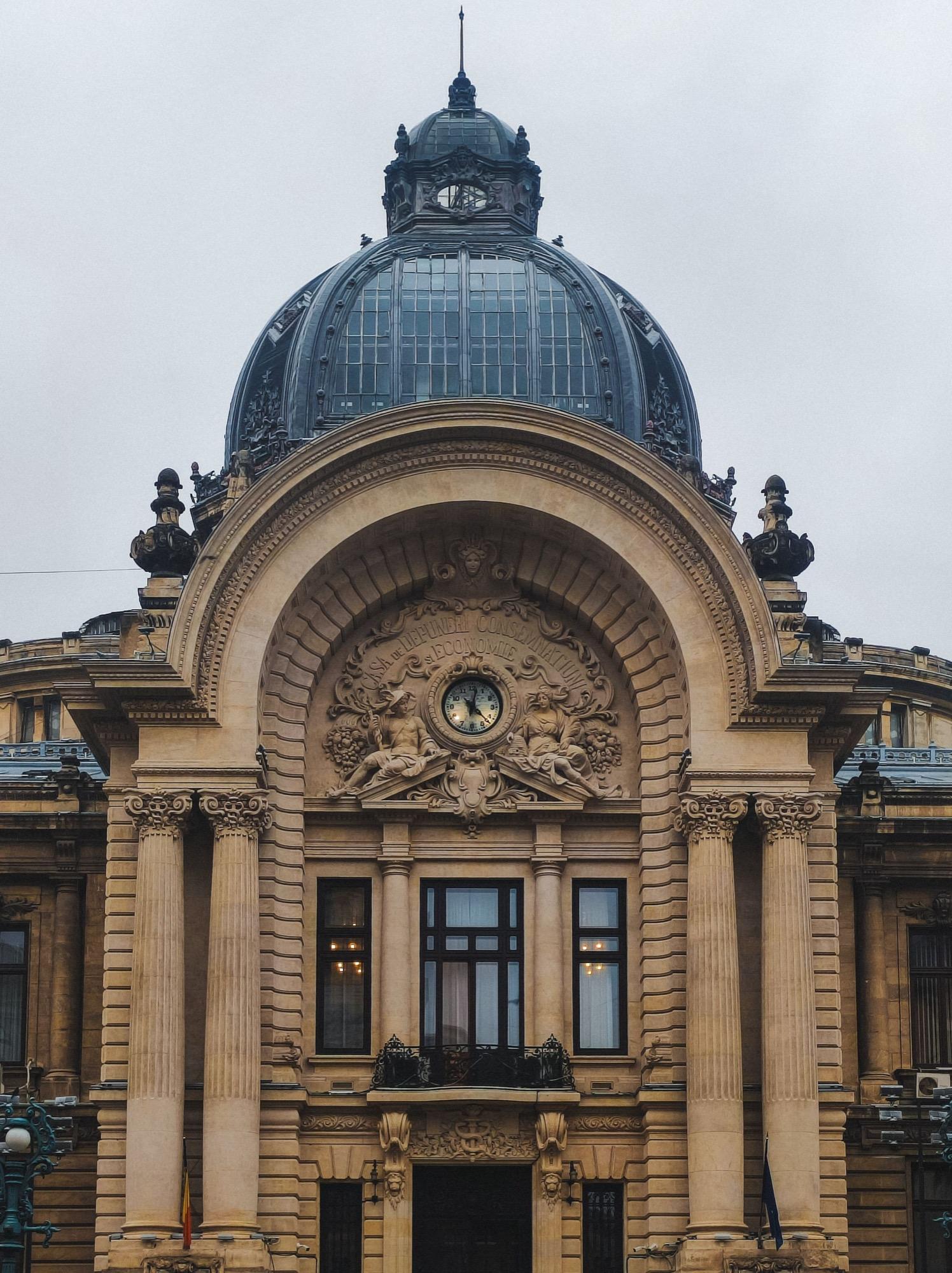
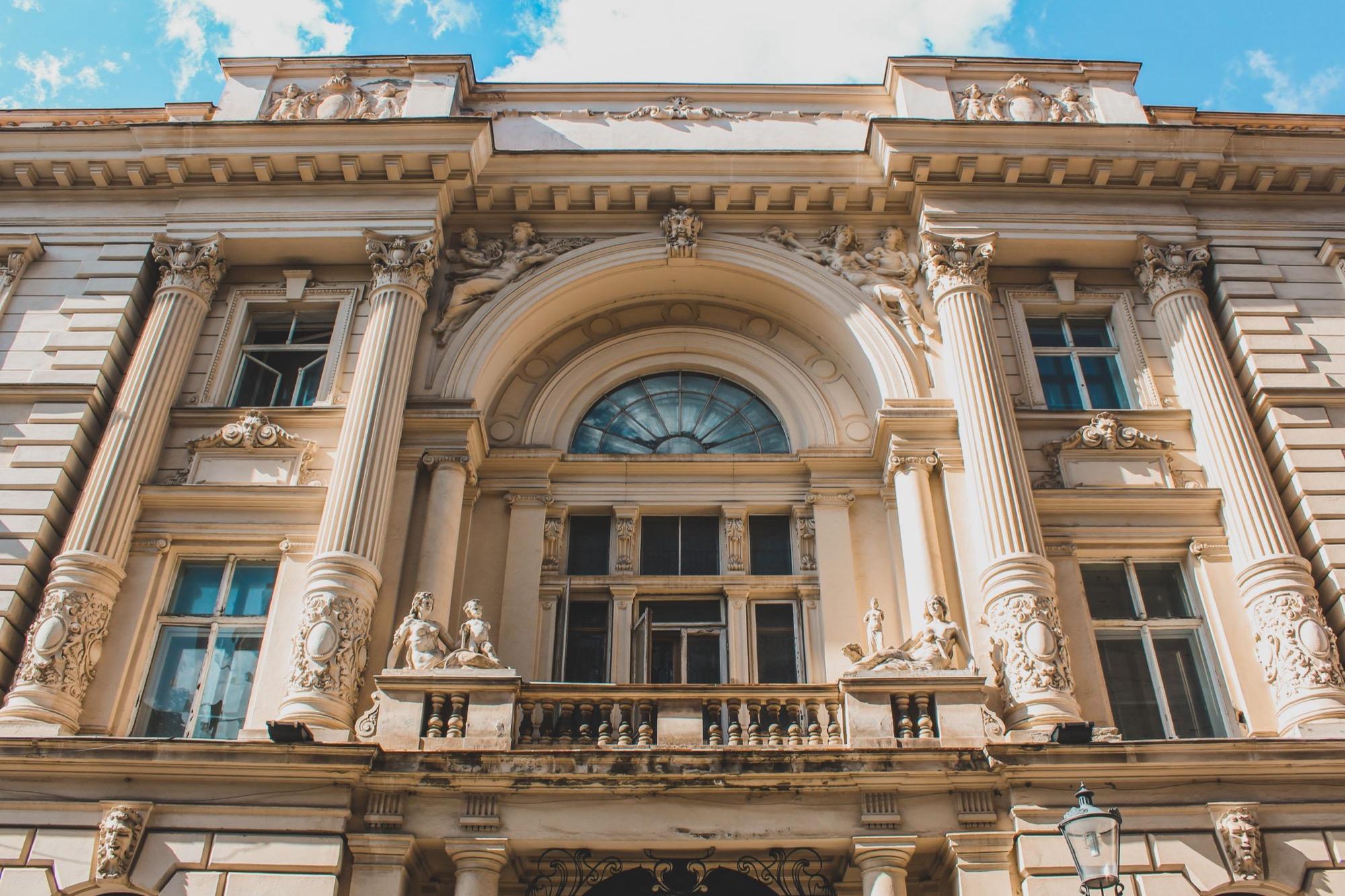
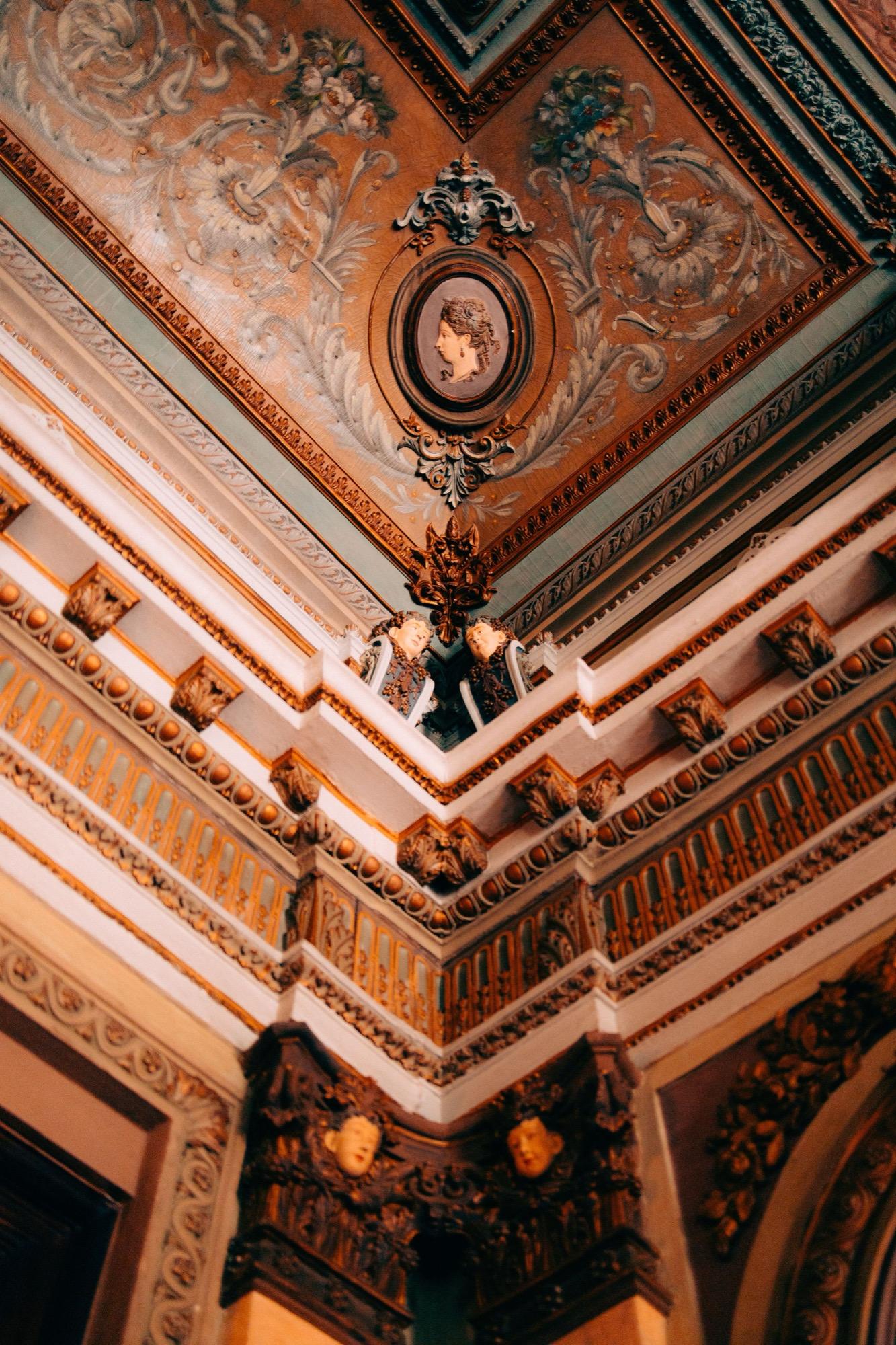
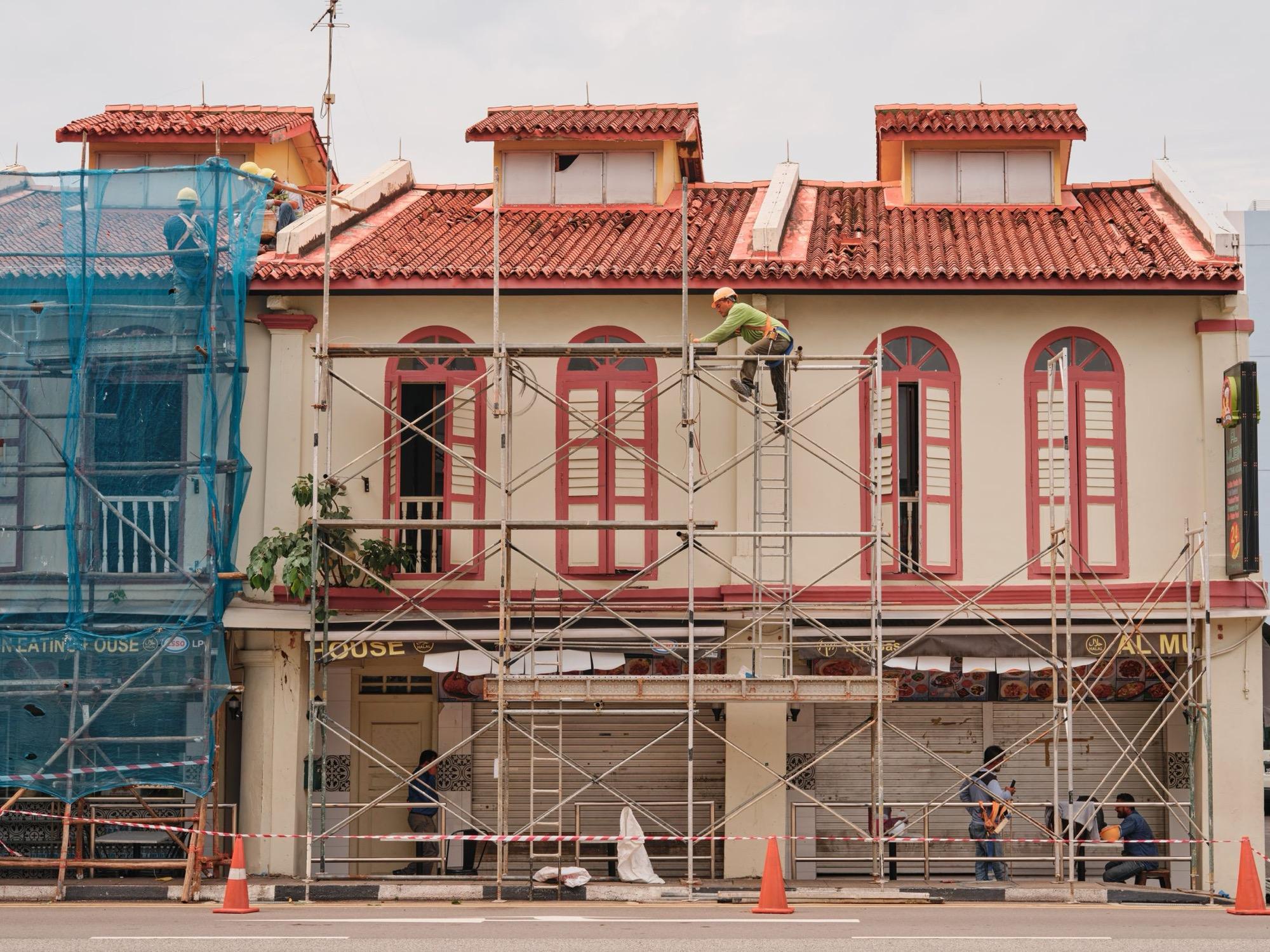
A facade is read through its lines: the band that separates the storeys, the surround that frames an opening, the cornice that crowns the building. Architectural mouldings bring back these lines and make the difference between an ordinary building and one with proportion, rhythm and character. When the lines are brought out well, the building gains presence and stands out on its street.
Many of these elements do more than look good: sills and cornices help carry water away from the wall and protect the areas exposed to rain. We make them with attention to their shape and to how they meet the facade, so that beauty and protection go together.
On old buildings we do not start from scratch. We keep the original elements wherever we can. For those that are missing or damaged, we take moulds directly from the facade and replicate them faithfully, so that the facade becomes whole again and keeps the style it has always had. The result is a coherent facade, where the new elements join naturally with the old.
Where architectural mouldings help you
We choose the elements by the style of the building, the exposure of the facade and the role they play.
String courses and band courses
Horizontal lines that separate the storeys and give the facade rhythm.
Window sills and surrounds
Elements that frame and protect window and door openings.
Crowning cornices
Mouldings that finish the facade at the top and carry water away from the wall.
Moulds and replicas on old facades
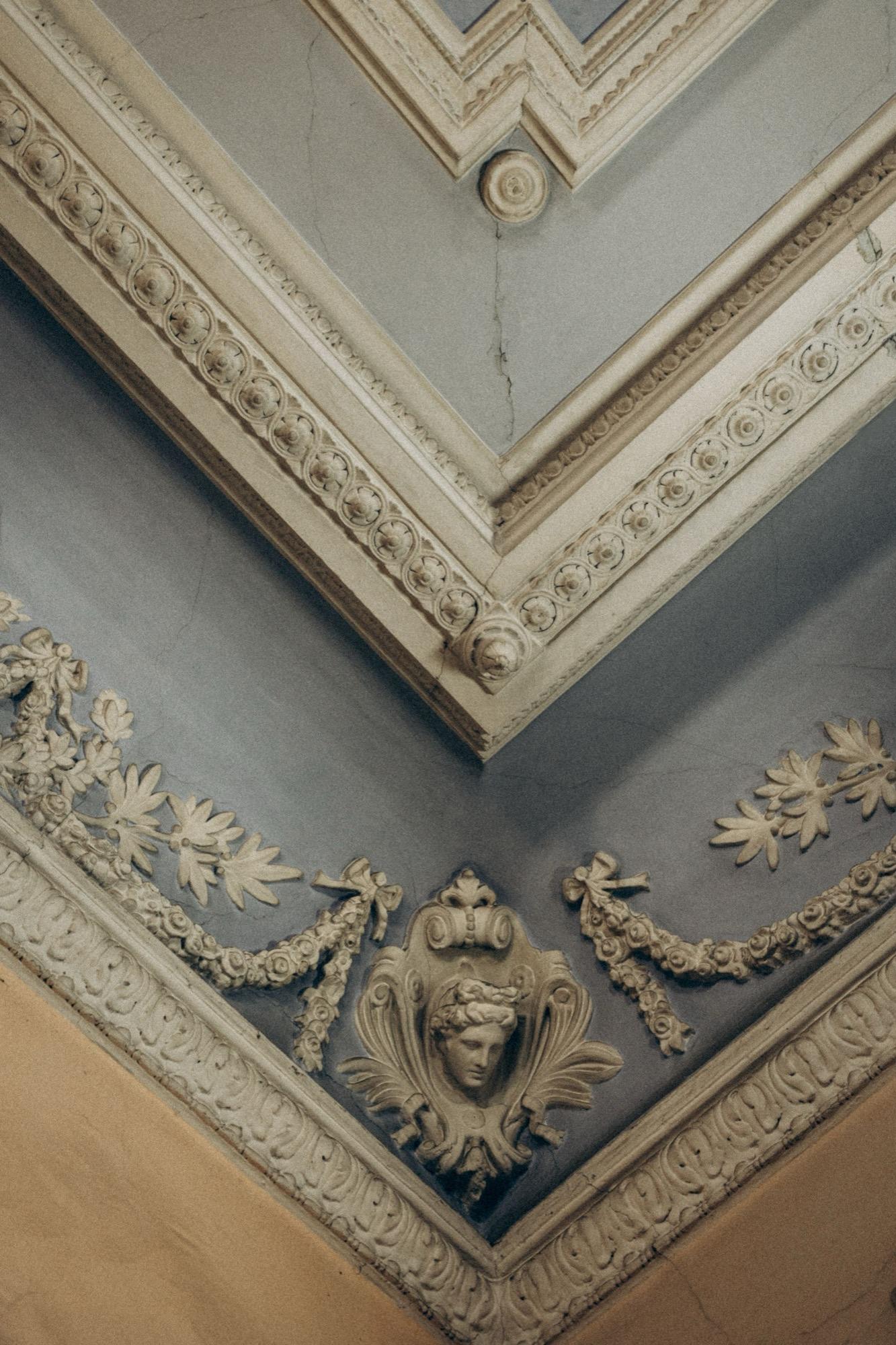
We take moulds directly from the facade and replicate missing or damaged elements: mouldings, window surrounds, ceiling roses, brackets.
What you gain with architectural mouldings
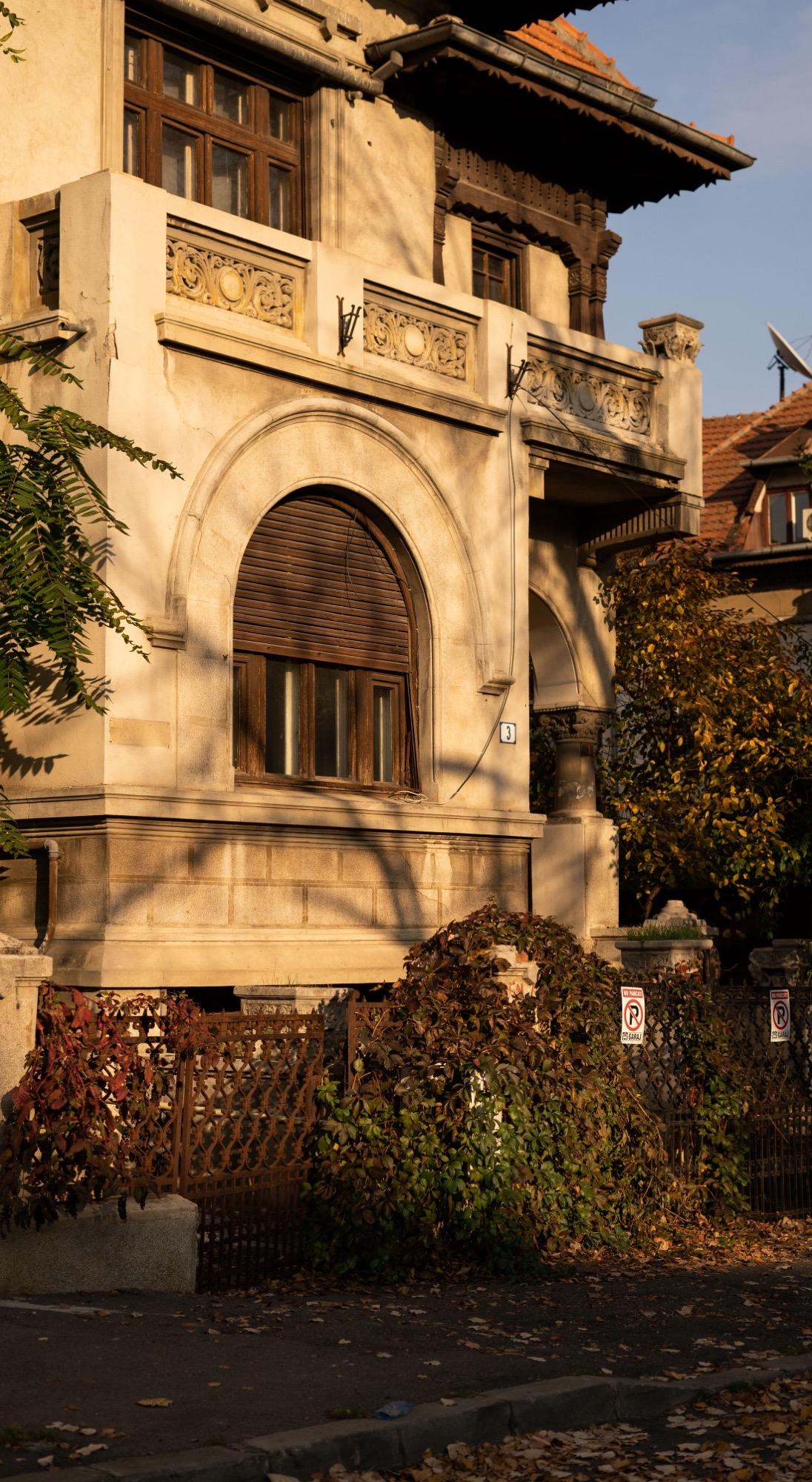
Proportion and rhythm
Relief lines give the facade a clear structure and make it easy to read.
Protection for exposed areas
Sills and cornices carry water away from the walls and openings.
Continuity of style
The right mouldings keep the style of the building when elements are added or remade.
A consistent look
Elements finished in the same way tie the parts of the facade together.
The materials and techniques we work with
We choose them by the facade and its exposure.
- For exteriors
Marble dust and white cement (cast stone), resistant to freeze-thaw, moisture and weather, with the look of natural stone
- Moulds and execution
Moulds taken directly from historic facades, profile templates for running mouldings in situ and anchoring, depending on weight
- Prefabricated mouldings
Exterior elements, fixed to the facade
- Protection
Sealing of the joints and exterior finishes
How we work, step by step
Survey and drawing
We measure the facade and draw the existing mouldings or the ones to be made.
Choosing the moulding
Together with you, we settle the shape, size and material that suit the building and its exposure.
Preparing the substrate
We clean the facade, and we check and repair the areas where the moulding will be fitted.
Execution
We fix the mouldings or run them directly on the facade, with attention to slopes and joints.
Finishing and protection
We seal the joints, finish the elements, then check the work and hand it over to you.
Frequently asked questions
Do you have another question about your work?
Write to usArchitectural mouldings outline the lines of a facade and often have a practical role, such as carrying water away from the wall. Decorative ones are mostly about ornament and the style of a room or a facade. In practice, the two categories can overlap.
Yes, missing mouldings can be remade from the surviving elements, from which we take moulds directly on the facade, or from existing images and documents. For buildings listed as historic monuments, the work usually needs the approval of the responsible institutions.
You can use the calculator on the site for an indicative estimate of the mouldings, with or without fitting. The firm offer is set once we know the dimensions, height and complexity of the job.
Does your facade need mouldings?
Describe the building and the elements you would like briefly, and we will come back to you with the right solution.